Description
The patient who is still above target
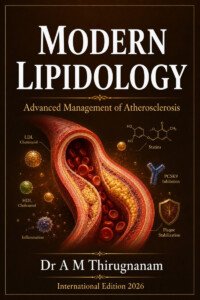
Starting a statin is not the difficult part. The difficult part is the patient six months later, on the maximum dose they tolerate, still above target, sitting in a general clinic where the next step is not obvious and a specialist lipid opinion may not be available at all.
These 349 pages are written for that clinician.
Agent choice on evidence, and on availability
Ezetimibe, PCSK9 inhibition, bempedoic acid and inclisiran are sequenced by the strength of their outcome evidence rather than by novelty — and, unusually, the book is explicit about relative cost and about what to do when the preferred agent is unavailable on a local formulary. For much of our directory that is the binding constraint rather than the evidence.
Statin intolerance
Handled at length, because it removes more patients from effective therapy than any other factor. The distinction between genuine myopathy and the nocebo effect demonstrated in blinded rechallenge trials is laid out clearly enough to use in a consultation.
Also covered
When apoB is the more reliable number. Lipoprotein(a) — who to measure and what can currently be done. Hypertriglyceridaemia and pancreatitis risk. Familial hypercholesterolaemia and cascade screening of relatives, which is the highest-yield activity in the whole subject. Lipids in kidney disease, diabetes and pregnancy.
Suits
General physicians, family doctors, cardiologists, endocrinologists and nephrologists.
PDF, 349 pages, lifetime access, instant download from your World Elite Doctors account.
Beyond the statin decision
A modern dyslipidaemia management guide has to cover more than one drug class. Ezetimibe, bempedoic acid, PCSK9 inhibition and inclisiran are each placed by the patient they suit, the level of residual risk they address and the practical questions of cost, access and administration that determine whether the prescription survives.
Lipoprotein(a), remnant cholesterol and the patient who is intolerant
The guide addresses the areas where practice has moved fastest: when to measure lipoprotein(a) and what to do with the result, remnant cholesterol and triglyceride-rich particles, familial hypercholesterolaemia detection and cascade screening, and a structured approach to reported statin intolerance that neither dismisses the patient nor abandons treatment. Targets are given by risk category with the guideline source named, since ESC and ACC/AHA thresholds differ in ways that change the prescription.