Description
Where the two specialties do not meet
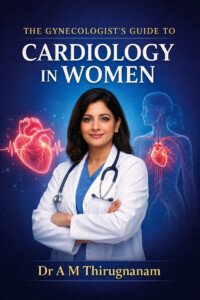
Cardiac disease in pregnancy is managed jointly in well-resourced centres. Everywhere else it is managed by whichever specialty the patient happened to reach, each assuming the other understands it better. It is now a leading cause of maternal death in many countries, and that gap is a large part of why.
These 222 pages are written to be usable from either side.
The consultation that changes most
Pre-pregnancy counselling gets the most space, because it has the largest effect and is the most frequently skipped. Which lesions make pregnancy high risk, which make it inadvisable, what the modified WHO classification means in practice, and how to hold that conversation before conception rather than at twenty weeks.
Through pregnancy and after
Physiological change and the disease it unmasks. Anticoagulation, including the mechanical valve situation where every option carries an unattractive risk and the choice must still be made and explained. Peripartum cardiomyopathy. Hypertensive disorders of pregnancy and their long-term cardiovascular meaning — routinely under-communicated to the woman herself. Delivery mode and analgesia. The postpartum weeks, where much of the risk actually sits.
Beyond pregnancy
How coronary disease presents differently in women, INOCA and MINOCA, spontaneous coronary artery dissection, and the reasons women remain under-investigated worldwide.
Suits
Obstetricians, cardiologists, anaesthetists, general physicians and midwifery staff.
PDF, lifetime access, instant download from your World Elite Doctors account.
Physiology that mimics disease
Cardiology in women is complicated first by pregnancy, where a raised heart rate, a flow murmur, ankle oedema and breathlessness are all normal — until they are not. The book sets out the changes of each trimester and the specific features that should never be attributed to pregnancy, so a genuine presentation is not reassured away.
Presentation, risk and the conditions that are missed
Beyond obstetrics, the text addresses why ischaemic presentations in women are under-recognised, INOCA and coronary microvascular dysfunction, spontaneous coronary artery dissection, peripartum cardiomyopathy, and the cardiovascular consequences of hypertensive disorders of pregnancy that persist for decades. Contraception, fertility treatment and menopause are covered as cardiovascular decisions. Pre-pregnancy counselling and delivery planning for known cardiac disease are given practical, referral-level detail.