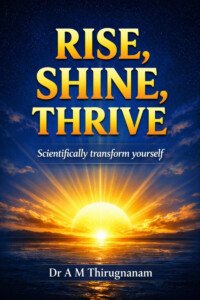
Description
The hour you can control
Most people cannot change their working day, their commute or their evening obligations. Almost everyone can change the first hour after waking — which makes it the most realistic place to start, and the reason this book concentrates there.
Why mornings matter to the heart
Blood pressure rises steeply in the hours after waking, and cardiac events cluster in the morning. When you take your medication, when you first see daylight, and what you do in that first hour all interact with that. These 302 pages stay on that ground rather than drifting into general self-improvement advice.
Fifteen chapters
Waking time and consistency, including whether a weekend lie-in undoes the rest. Daylight and body clock. Morning activity, and a straight answer to whether exercising early carries extra risk if you have heart disease — a question people ask often and rarely get answered clearly. When to take blood pressure tablets, including where the morning-versus-evening evidence currently stands. The first meal. Caffeine.
What it does not claim
That a morning routine will prevent a heart attack. What it offers is a set of small, controllable changes that fit how the body works, for someone whose life is otherwise not very adjustable.
Suits
Anyone with cardiac risk factors or a cardiac diagnosis, and anyone who wants a starting point that is actually achievable.
PDF, lifetime access, at CardiologyBooks.com.
The first hour, and why it carries weight
A healthy morning routine works less through any single act than through the fact that morning behaviour is repeated with unusual reliability. The book uses that: daylight exposure and its effect on circadian timing and evening sleep, hydration, the actual evidence on breakfast composition, and the morning blood pressure surge that makes medication timing worth discussing with a doctor.
Built to survive a real week
Routines fail on the mornings that go wrong, so the book gives a full version and a five-minute version, and treats the shorter one as a success rather than a lapse. Shift workers, parents of small children and readers with long commutes are given separate adaptations. Claims are kept proportionate — a healthy morning routine supports cardiovascular health; it does not substitute for treatment of established disease.